Indoor playgrounds have become a popular destination for families with young children.
These spaces offer a safe and engaging environment for kids to burn off energy and have fun. However, to truly create a comprehensive and enjoyable experience, indoor playgrounds should also incorporate restaurants and rest areas. This combination offers numerous benefits for both parents and children, transforming a simple play session into a full-fledged family outing.
One of the primary reasons for including a restaurant within an
indoor playground is the convenience it provides for parents. Play sessions can last for hours, and children are bound to work up an appetite. Having a restaurant on-site eliminates the need to pack snacks or interrupt playtime to find a place to eat. Parents can relax and enjoy a meal while still keeping an eye on their children. This also allows families to extend their stay at the playground, making the most of their visit.
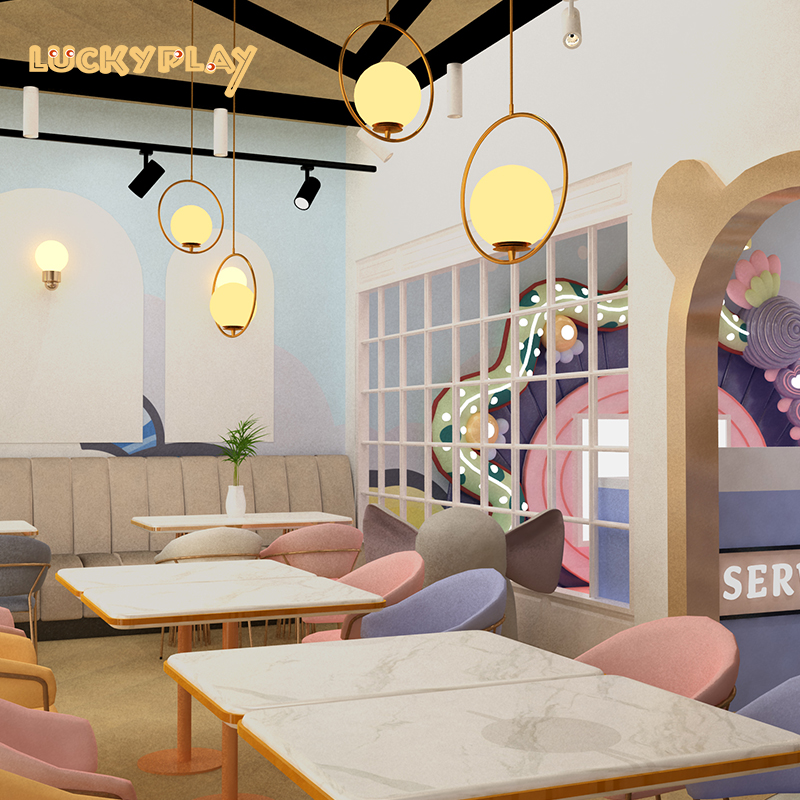
Furthermore, a restaurant within an indoor playground can cater specifically to the needs of its young patrons. Kid-friendly menus with healthy options can ensure that children are properly nourished after their playtime. The restaurant can also provide a space for birthday parties or other celebrations, making the playground a one-stop shop for family entertainment.
In addition to restaurants, rest areas are equally crucial in indoor playgrounds. Children, especially toddlers, may need frequent bathroom breaks, and having easily accessible restrooms is essential. Clean and well-maintained changing facilities are also a must for families with babies. Moreover, dedicated rest areas for parents, such as comfortable seating and charging stations, can enhance their overall experience.
The combination of play areas, restaurants, and rest areas creates a complete ecosystem within the indoor playground. It transforms the space from just a play area into a destination for family entertainment. Parents can relax knowing that all their needs are catered to, while children can enjoy uninterrupted playtime without worrying about hunger or bathroom breaks. This holistic approach enhances customer satisfaction and encourages families to return, making the indoor playground a thriving business.
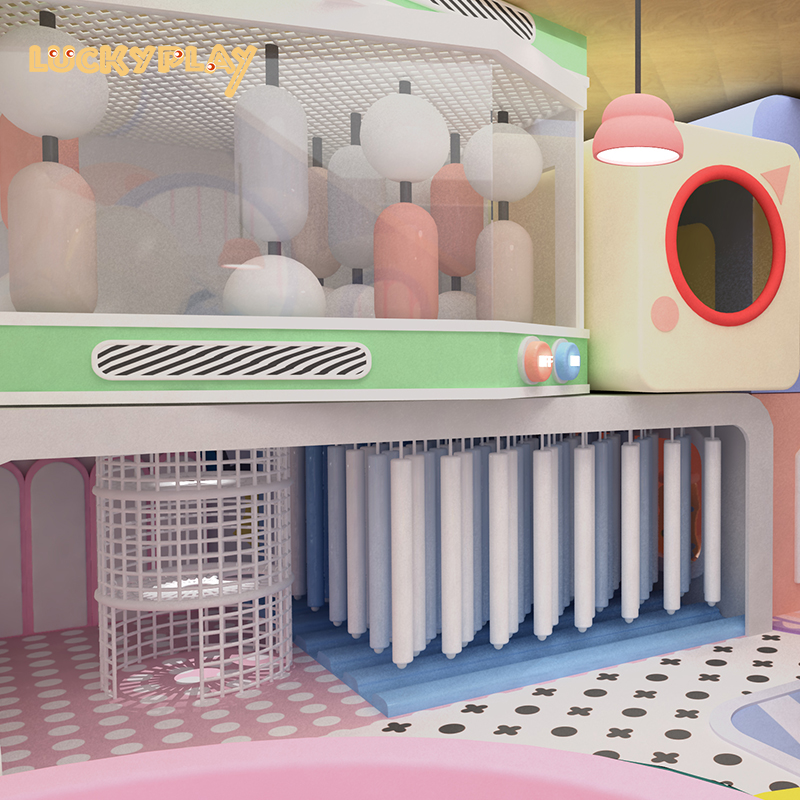
Moreover, incorporating these amenities can also contribute to the overall safety of the playground. With food and drinks readily available, parents are less likely to bring in outside food, which can create a mess and attract pests. Similarly, having designated rest areas can prevent children from wandering off or getting lost while looking for a bathroom.
In conclusion, the inclusion of restaurants and rest areas in indoor playgrounds is not just a matter of convenience; it is a crucial element in creating a complete and enjoyable experience for families. By catering to the needs of both parents and children, these amenities enhance customer satisfaction, promote safety, and transform the playground into a go-to destination for family entertainment. As indoor playgrounds continue to evolve, the integration of these essential facilities will undoubtedly become the standard for creating a truly successful and family-friendly environment.


