Indoor playgrounds have become one of the most effective traffic and revenue drivers inside modern shopping malls. As traditional retail faces declining footfall, family-oriented entertainment has proven to increase dwell time, cross-shopping, and repeat visits. However, not all indoor playgrounds generate the same level of profitability.
Choosing the right business model is the key difference between a high-performing asset and an underperforming space. Below is a professional breakdown of the most profitable indoor playground business models for shopping malls, based on operational efficiency, revenue diversification, and long-term sustainability.
From a mall operator’s perspective, indoor playgrounds deliver value beyond ticket sales:
Increased family foot traffic
Longer average dwell time
Higher food and beverage conversion
Strong weekday and off-peak activation
Clear differentiation from competing malls
The most successful projects align play value, commercial logic, and space efficiency from the beginning.
This model charges visitors based on time or session entry and focuses on flexible, modular play structures.
Easy to understand for customers
Fast operational setup
Predictable daily revenue
Works well for 300–1,000 sqm spaces
High turnover during weekends and holidays
Low staffing complexity
Scalable layout that allows phased upgrades
Multi-age zoning
High-capacity circulation paths
Durable materials for intensive daily use
This model is ideal for malls seeking stable baseline income with controlled operational risk.
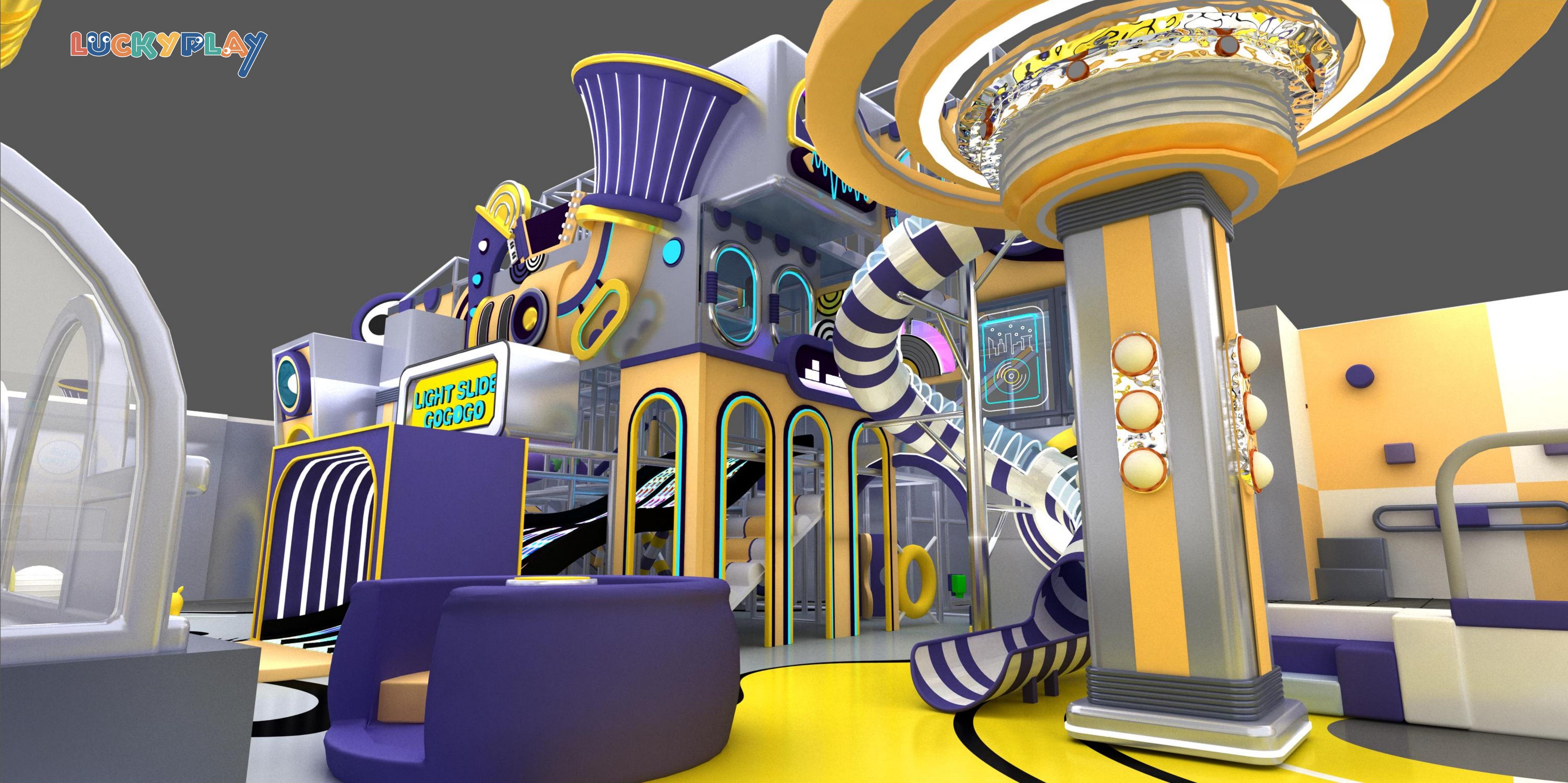
Customers pay monthly or annual memberships for unlimited or discounted access, often combined with loyalty benefits.
Recurring revenue stream
Strong customer retention
Predictable cash flow
Lower marketing cost over time
Birthday party upgrades
Private bookings
Seasonal themed events
Membership-based playgrounds encourage families to return weekly, significantly increasing overall mall visitation frequency.
This model performs best in community-based malls and suburban commercial centers.
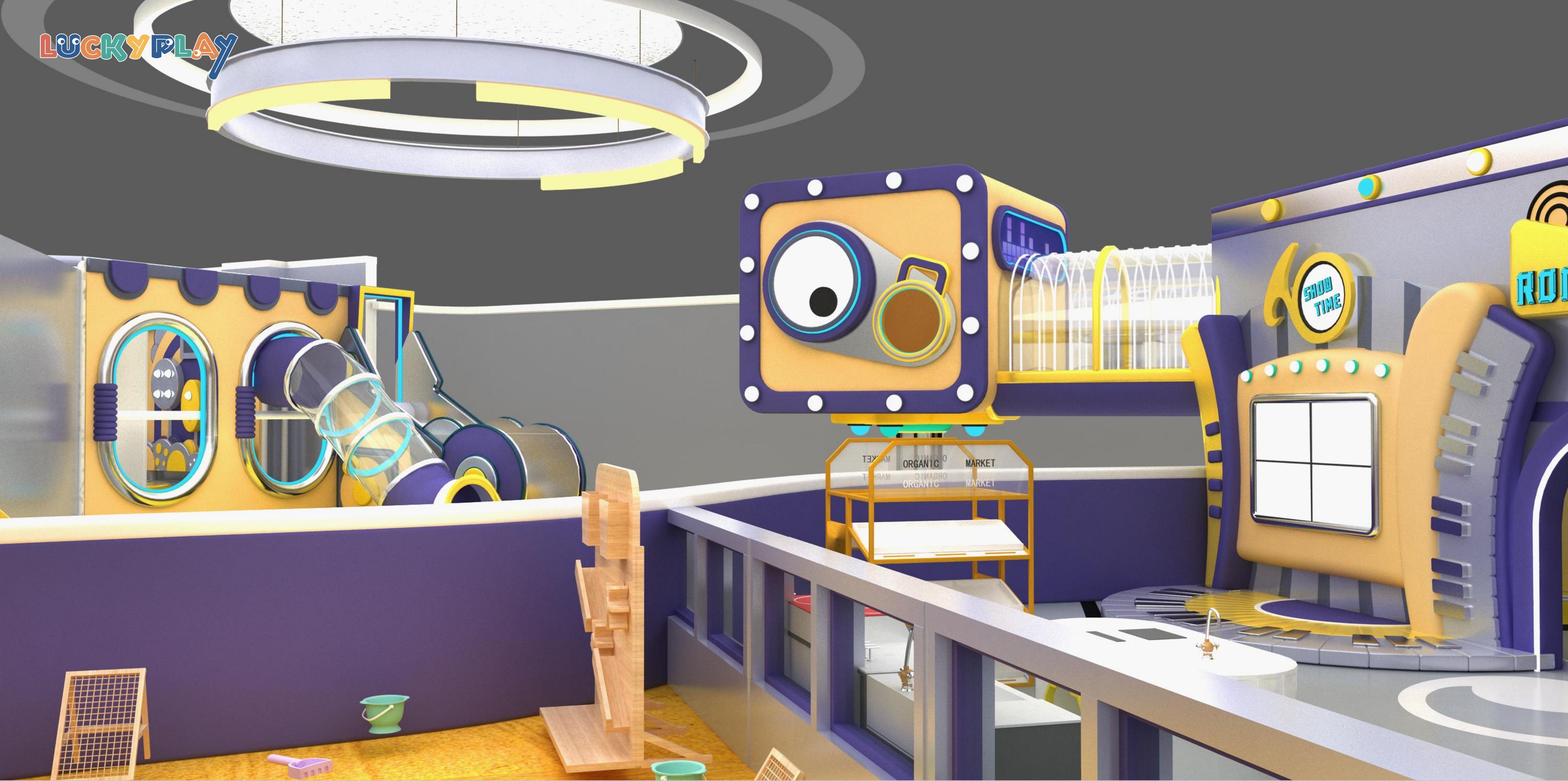
This model integrates role-play environments, themed zones, and educational interaction with physical play.
Appeals to parents seeking educational value
Longer average playtime per child
Higher willingness to pay
Premium ticket pricing
Strong school and group bookings
Brand partnership opportunities
Thematic storytelling consistency
Modular role-play units
High-quality finishing and detail execution
This model positions the playground as a destination experience rather than a simple play area.
Combines climbing, obstacle courses, slides, and light adventure elements within a controlled indoor environment.
Attracts older children and teenagers
Higher single-ticket pricing
Strong group and event bookings
Broadens age coverage
Reduces seasonality
Complements cinemas and food courts
Structural load design
Fall protection systems
Clear safety zoning
This model is highly effective in large-scale regional malls seeking differentiated entertainment anchors.
A combination of indoor playground and café or family dining space.
Dual income streams
Parents stay longer on-site
Higher average transaction value
Cross-selling opportunities
Improved customer satisfaction
Strong weekday performance
Clear separation of play and dining safety zones
Acoustic control
Hygienic material selection
This model works exceptionally well in premium shopping malls targeting family lifestyle positioning.
| Business Model | Revenue Stability | Ticket Value | Repeat Visits | Space Efficiency |
|---|---|---|---|---|
| Pay-Per-Entry | Medium | Medium | Medium | High |
| Membership-Based | High | Medium | Very High | High |
| Edutainment Hybrid | High | High | High | Medium |
| Sports Adventure | Medium–High | High | Medium | Medium |
| Playground + F&B | Very High | High | Very High | High |
Regardless of the model, profitability depends on several non-negotiable fundamentals:
Commercial-grade structural engineering
Compliance with EN1176 and ASTM F1487 safety standards
Durable materials designed for high-frequency use
Modular systems allowing future upgrades
Efficient circulation and capacity planning
Short-term cost savings at the equipment stage often result in higher long-term maintenance, downtime, and customer dissatisfaction.
The most profitable indoor playground is not defined by size alone, but by alignment between mall positioning, customer demographics, and operational strategy.
Shopping malls that treat indoor playgrounds as long-term commercial infrastructure rather than decorative attractions consistently achieve higher ROI and stronger tenant synergy.
Indoor playgrounds are no longer optional amenities for shopping malls. When designed with the right business model, engineering logic, and commercial strategy, they become powerful revenue engines and traffic anchors.
Selecting the correct indoor playground business model at the planning stage determines not only initial success, but also long-term operational profitability.


