Choosing a reliable indoor playground manufacturer in China is one of the most important decisions when launching or upgrading an indoor playground.
Price alone is a poor indicator of long-term success — the right partner must deliver safety, design capability, material transparency, consistent production, and responsive after-sales support.
This guide is written for newcomers — mall owners, operators, investors, and first-time buyers — providing a practical, step-by-step roadmap and professional checklists you can use immediately.
Before diving deep, here’s a summary of the key decision factors when sourcing an indoor playground manufacturer in China:
Safety & certification (EN1176, ASTM, SGS/TÜV) — non-negotiable
Design capability — 3D visualization, space planning, age segmentation
Material specification — steel grade, foam density, fabric/PVC specs, flame retardancy
Manufacturing & QC — factory capacity, in-process checks, final test assembly
Logistics & installation — overseas shipment, on-site supervision, manuals
Warranty & spare parts — clear terms and response times
References & real projects — verifiable case studies
👉 Pro tip: Always request certificates, real project videos, and material samples before paying any deposit.
A trustworthy manufacturer must prove compliance with international standards.
Ask for original, dated certificates and recent test reports — not just scanned copies.
Key certifications include:
EN1176 / EN1177 (Europe) – Equipment & surfacing safety, impact attenuation
ASTM (F1487, F1918) – Structural and surfacing standards for soft-contained play
SGS / TÜV / Intertek – Third-party verification for materials and flame retardancy
ISO9001 – Factory-level quality management
Click to view detailed security certificate description
✅ Documents to request:
SGS or Intertek chemical reports (PVC, foam, paint)
Welding and load test reports
Flame retardancy certificates
Test lab contact details for verification
Great playgrounds begin with strong design capability. A professional manufacturer should handle concept, layout, 3D rendering, and technical drawings internally.
Assess the following:
Age zoning — toddler (0–3), preschool (3–6), and junior (6+) separation
Parent sightlines — clear supervision and safe access points
Commercial integration — F&B, birthday zones, retail tie-ins
Customization options — brand colors, interactive modules (like Luckyplay’s Grotesque Music and Quantum Playgrounds)
Deliverables should include:
2D floor plan with dimensions
Multi-angle 3D renders
Safety checklist (EN1176/ASTM mapping)
Detailed BOM (Bill of Materials)
Materials define the lifespan and safety of your equipment.
Always request line-by-line technical data instead of generic descriptions.
Check these specifications:
Steel — grade, tube thickness ≥2mm, galvanized/powder-coated
Foam — density (kg/m³), ILD rating, CMHR flame standard
Upholstery — abrasion resistance, UV protection, anti-bacterial coating
Plastics — HDPE/LDPE with UV stabilizers
Connectors — stainless steel, double locking system
Each BOM line should reference an independent test report or supplier certificate.
A reliable factory enforces multi-stage quality inspection:
Incoming QC — raw material sampling and testing
In-process QC — weld inspection, foam adhesion checks
Final assembly test — dry-assembly to confirm fit & structure
Pre-shipment inspection — labeling, protective packing, sequence order
Ask for factory photos, production capacity (e.g., playgrounds/month), and video proof of test assembly.
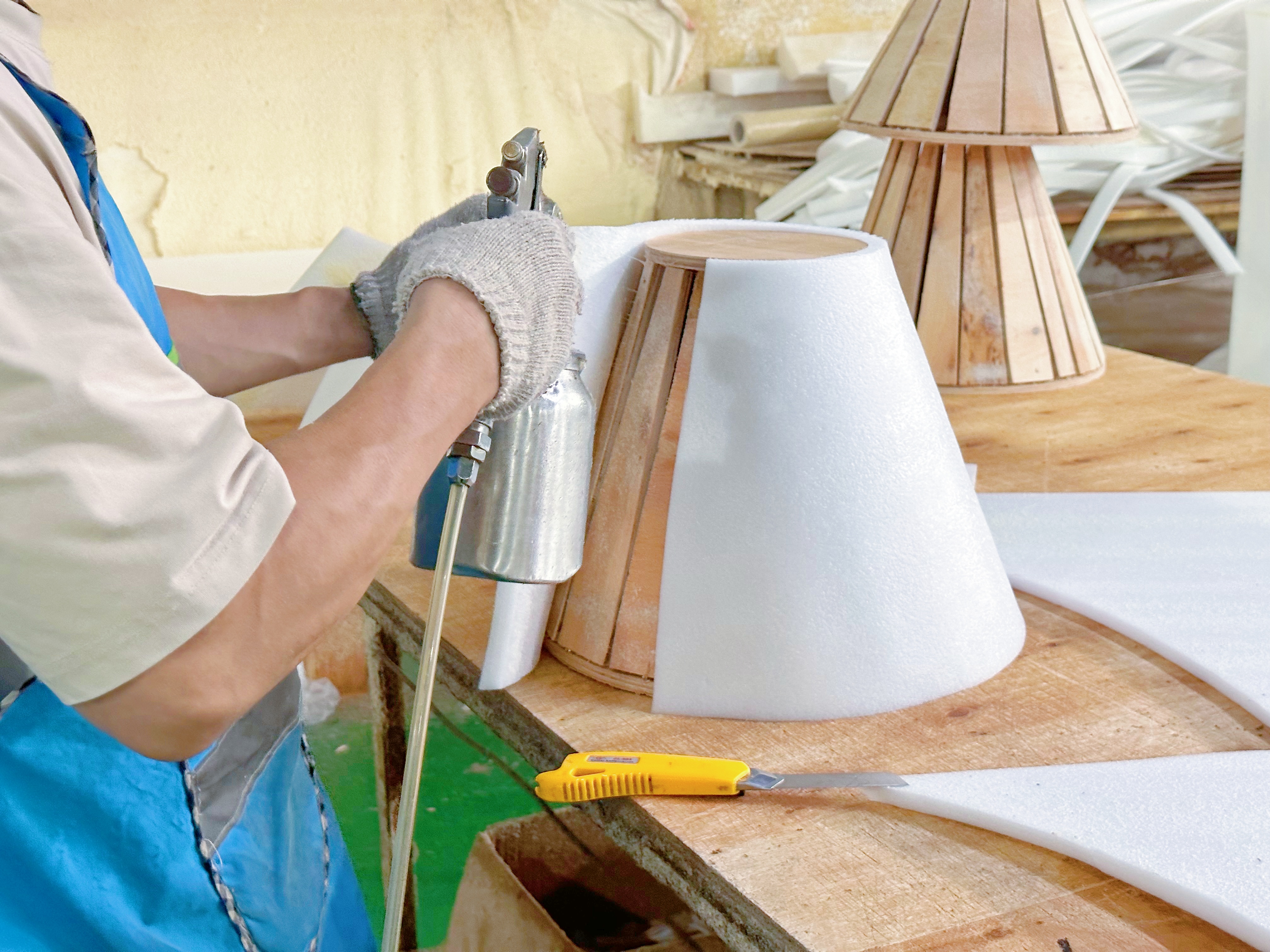
Even high-quality equipment can fail without proper installation. Verify:
If engineers are available for on-site supervision
Availability of installation manuals and wiring diagrams
Onsite staff training programs
Spare parts policy and warranty details
🚩 Red flag: Vendors refusing installation guidance or overcharging unclear travel costs.
Ensure all logistics details are transparent and documented.
Key points:
Confirm lead time (20–30 days typical)
Packing list — weight, volume, package count
Export documentation — invoices, origin certificates, test reports
Clarify insurance responsibility and customs HS codes
Standard payment structure: 30% deposit + 70% before shipment, but tie payments to milestones.
Include clauses for:
Third-party inspection (SGS, TÜV)
Late delivery penalties
Warranty duration and scope
Request real project videos, live factory tours, or client contacts.
Check the company’s export license and years of experience to confirm authenticity.
Watch out for:
Missing or expired certificates
Vague material data
Refusal of inspection
Unrealistically low pricing
No installation or unclear warranty
Quick Checklist:
Business license verified
EN/ASTM/SGS reports valid
3D design and BOM confirmed
Samples inspected
Lead time contractually fixed
Warranty and installation terms defined
Pre-shipment inspection accepted
RFP Core Items:
Project overview, design deliverables, safety standards, production timeline, installation plan, warranty, commercial terms, inspection clause.
Main cost factors:
Customization and theme design
Material grade and density
Electronic or interactive modules
Certification and testing fees
Installation and logistics
💡 Always compare inclusions and exclusions, not just the final quote.
Durability equals profit.
Choose UV-resistant, replaceable, and easily maintained components.
Budget ~2–5% of CAPEX annually for spare parts and safety checks.
Include clauses for:
Pre-shipment inspection
Delivery penalties
Warranty coverage and response times
Spare parts pricing
IP ownership and termination conditions
| Week | Stage |
|---|---|
| 0 | Selection |
| 1–2 | Design phase |
| 3–4 | Technical drawings |
| 5–8 | Production |
| 9 | Pre-shipment inspection |
| 10–12 | Shipping |
| 13–14 | Installation |
Ask questions like:
“Is 3D design included in the price?”
“What’s your standard warranty period?”
“Do you allow third-party inspections?”
“What spare parts are included?”
Selecting an indoor playground manufacturer is a strategic investment, not a one-time purchase.
A qualified partner ensures safety, consistency, and profitability for years to come — turning your play zone into a long-term commercial success.


