The indoor playground industry is booming, and for good reason. Parents are increasingly seeking safe, engaging, and weather-independent spaces for their children to play and develop. This demand has created a fertile ground for indoor playground franchises to flourish. These businesses offer a unique blend of fun, physical activity, and social interaction for kids, while providing entrepreneurs with a rewarding business opportunity. But what exactly does the indoor playground franchise model entail?
At its core, an indoor playground franchise provides a structured and supported pathway to owning and operating a successful children's entertainment business. Franchisers offer a proven business model, brand recognition, and ongoing support in exchange for franchise fees and royalties. This model significantly reduces the risks associated with starting a business from scratch, providing franchisees with a blueprint for success. Typically, the franchise package includes assistance with site selection, design and setup of the play area, marketing materials, training programs, and operational guidance. 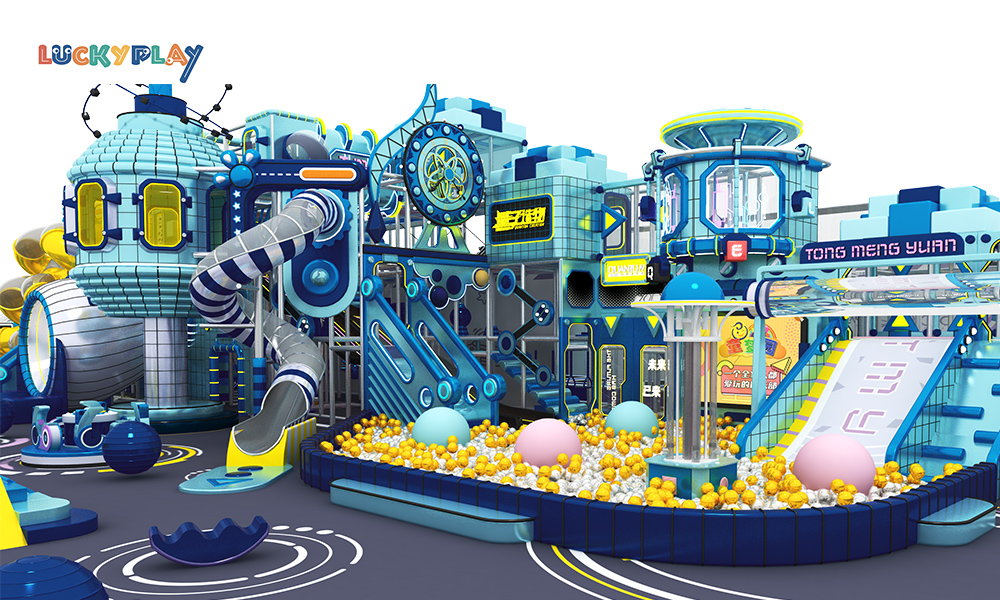
One of the key advantages of this model is the established brand recognition. Parents are more likely to trust and frequent a well-known franchise brand, giving franchisees a head start in attracting customers. This pre-existing reputation can be invaluable in a competitive market. Furthermore, the franchiser often provides ongoing marketing support, including national advertising campaigns and online presence, further boosting brand visibility and driving traffic to individual locations.
Beyond brand recognition, the comprehensive support provided by the franchiser is crucial for success. Franchisees receive training on all aspects of the business, from daily operations and customer service to safety protocols and marketing strategies. This support system can be particularly beneficial for individuals with limited business experience. The franchiser also typically provides access to a network of other franchisees, fostering a collaborative environment where best practices and experiences can be shared. 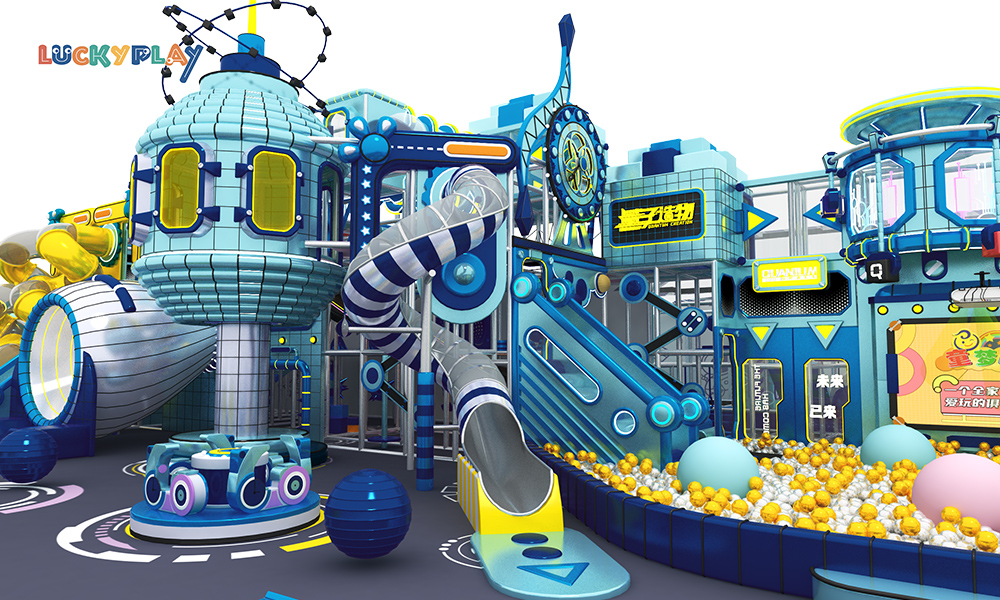
The financial aspect of an indoor playground franchise is, of course, a significant consideration. The initial investment typically includes franchise fees, build-out costs for the play area, equipment purchase, and working capital. While the initial investment can be substantial, the franchise model offers the potential for strong returns. The children's entertainment industry is generally resilient, and with a well-managed franchise, entrepreneurs can build a profitable and sustainable business.
Choosing the right franchise is paramount. Prospective franchisees should carefully research different brands, evaluating their reputation, support systems, and financial requirements. It's essential to find a franchise that aligns with your personal values and business goals. Talking to existing franchisees can provide valuable insights into the day-to-day realities of running the business and the level of support provided by the franchiser.
In conclusion, the indoor playground franchise model offers a compelling opportunity for entrepreneurs looking to enter the thriving children's entertainment market. By leveraging the brand recognition, support system, and proven business model provided by a franchiser, individuals can significantly increase their chances of success. While the initial investment can be significant, the potential rewards, both financial and personal, can be substantial. With careful research and planning, an indoor playground franchise can be a rewarding and fulfilling venture, bringing joy and active play to communities for years to come.


